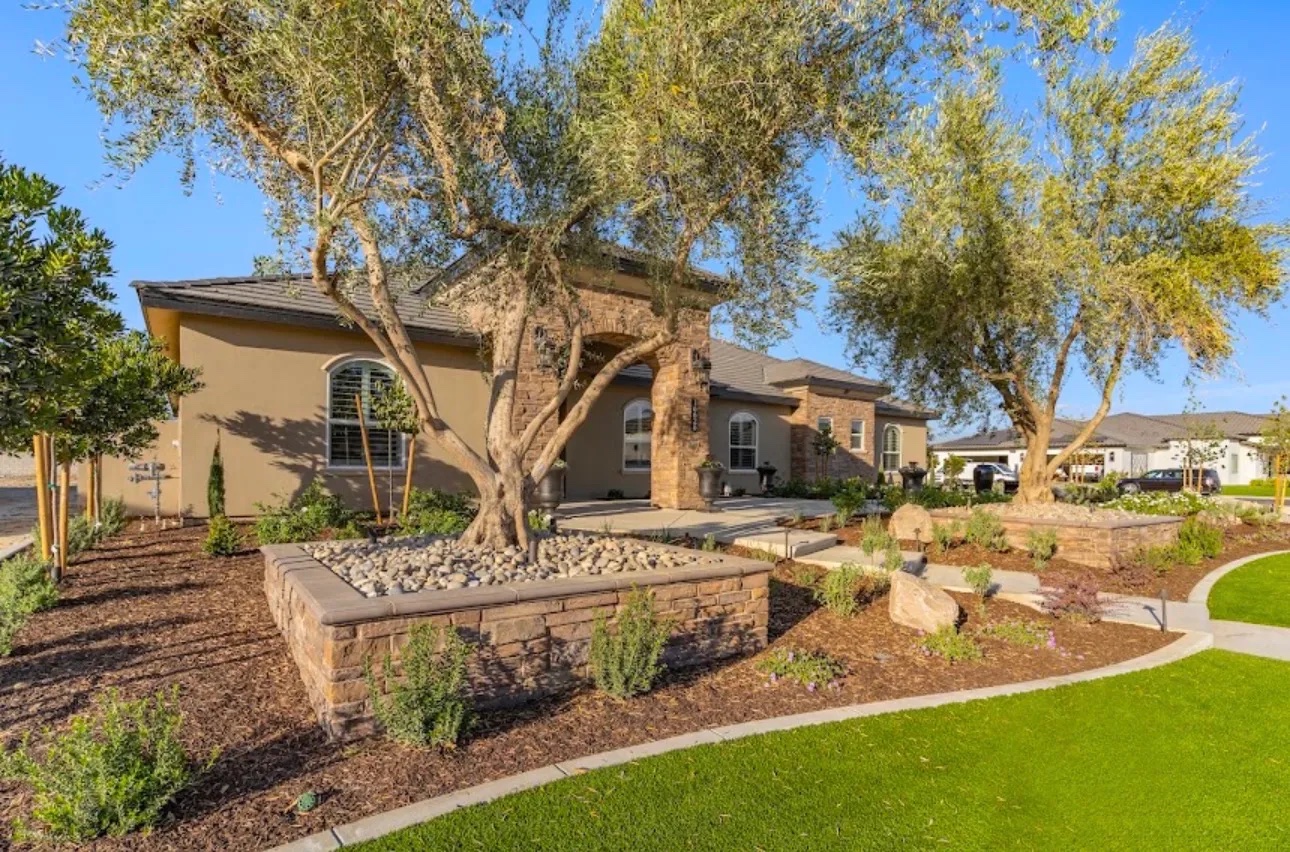
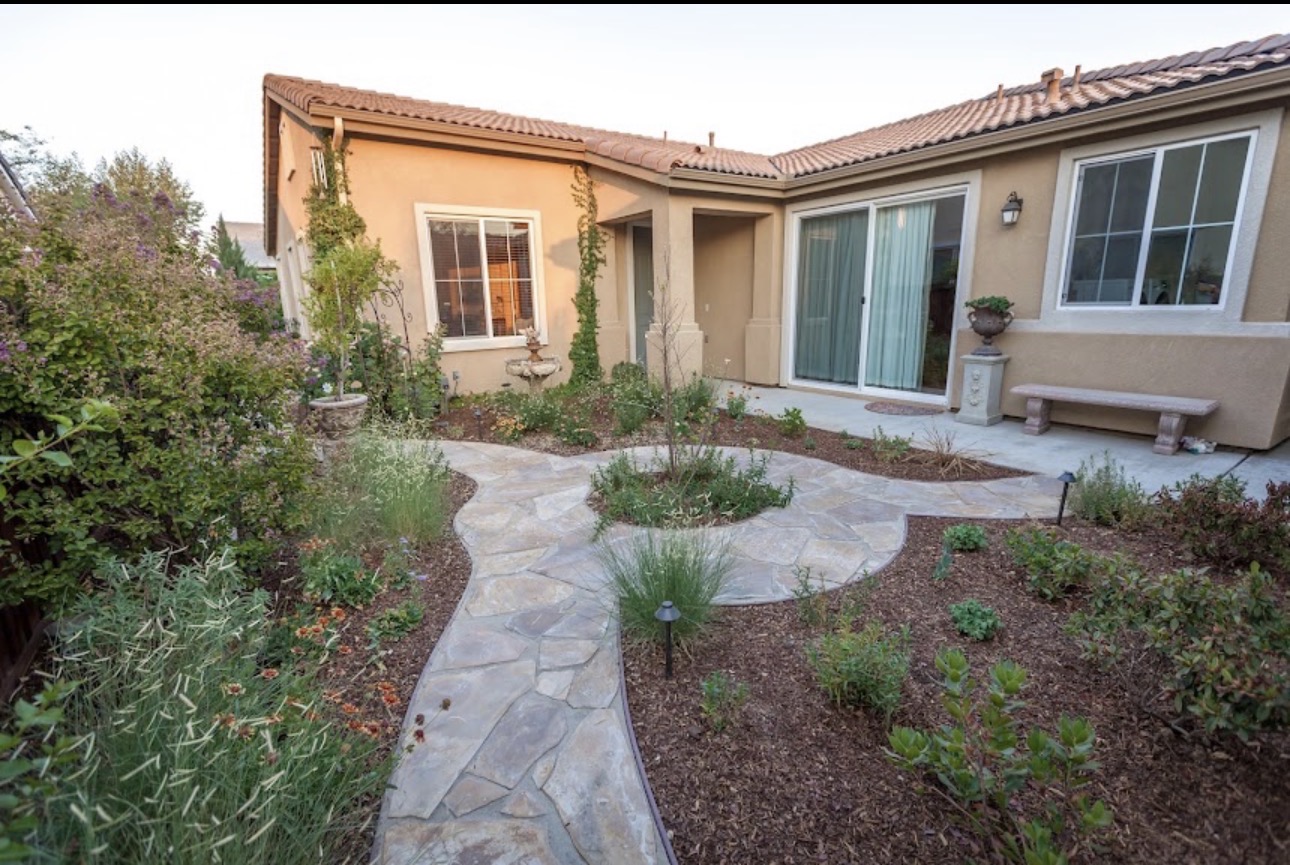
Decide How You Want to Use the Space
Before thinking about materials or individual features, start with how you want to use your backyard. Some homeowners want an outdoor space built around entertaining and dining, while others prioritize open lawn, gardening, relaxation, play areas, or simply having a landscape that's easier to maintain.
Think about what currently works and what doesn't. Maybe the patio feels too small, certain areas rarely get used, or the yard doesn't have enough shade or privacy. Identifying those needs early gives the renovation a purpose and helps guide the decisions that come later.
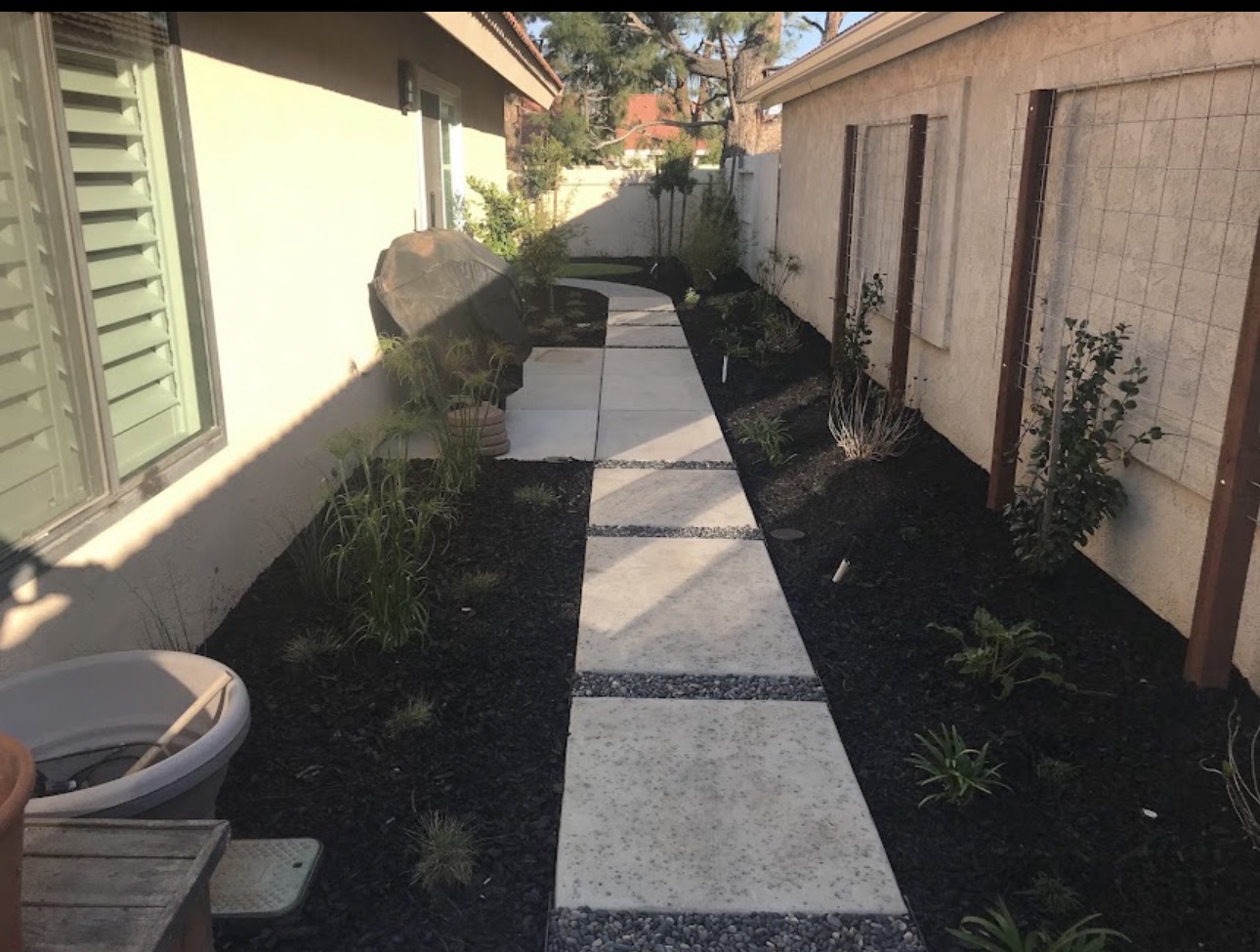
Understand What You're Starting With
Every property comes with existing conditions that can influence a renovation. Sun exposure, drainage, slopes, access, irrigation, existing trees, structures, and the relationship between the house and yard can all affect what's practical for the space.
Taking time to understand those conditions before designing around them can prevent surprises later. Sometimes an existing feature can become part of the new design, while other areas may need to be changed before the larger vision can come together.
Set Your Priorities Before Choosing Materials
It's easy to jump straight into choosing pavers, plants, lighting, or other finishes, but those decisions are easier once you know which parts of the project matter most.
Separate the things you consider essential from the features that would simply be nice to have. A homeowner might prioritize a larger patio and improved drainage first, for example, while an outdoor kitchen, fire feature, or additional planting could be considered separately.
Establishing priorities helps keep the project focused and makes it easier to make thoughtful decisions as the design develops.
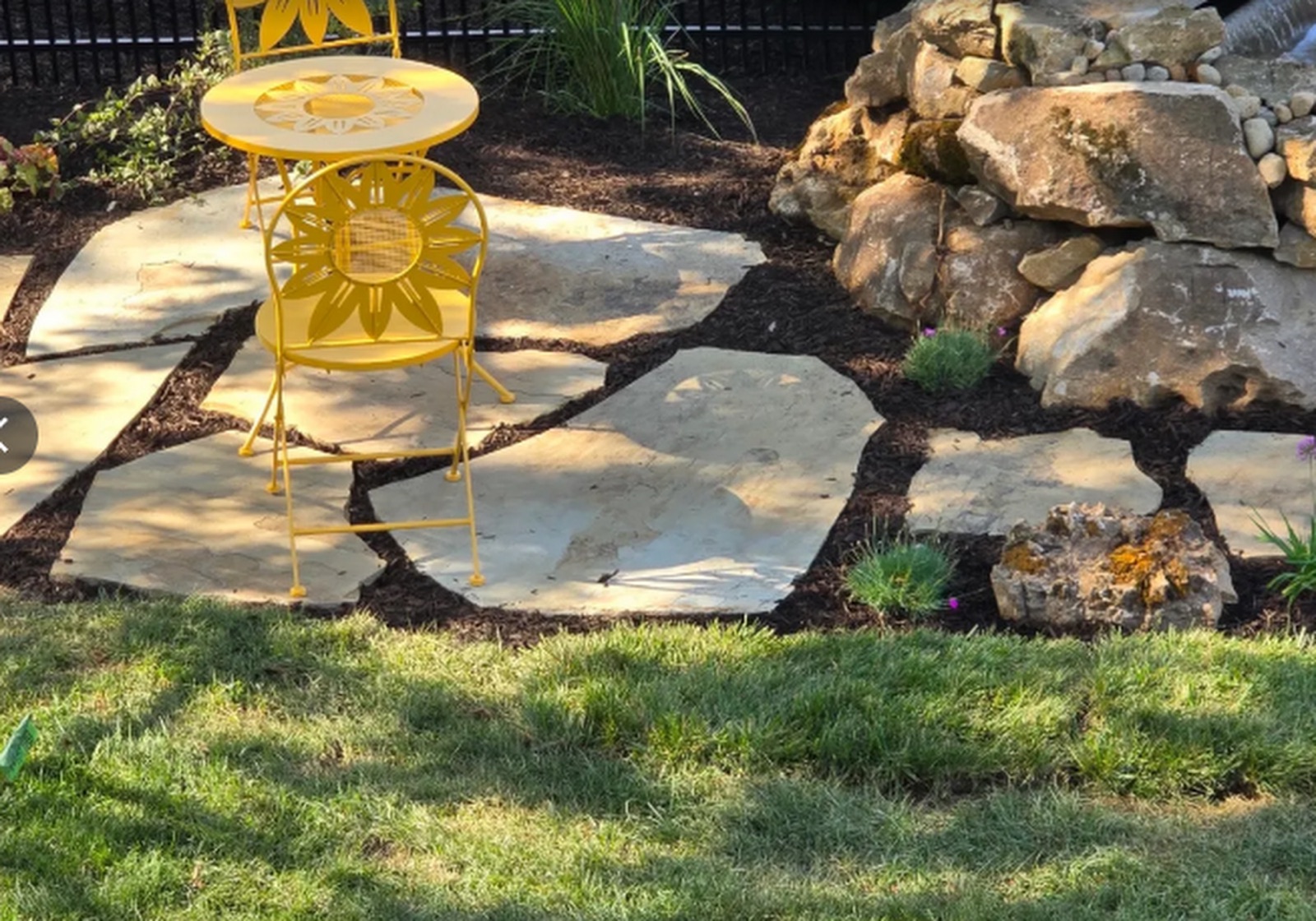
Design the Whole Yard Before Construction
Even when a renovation will happen in stages, it helps to think about the property as one complete space. Patios, walkways, planting areas, lawns, gathering spaces, and other features should feel connected rather than added independently over time.
A complete plan also helps account for practical details such as movement through the yard, transitions between materials, irrigation, drainage, planting space, and access for future work.
Planning the bigger picture first can make each individual phase feel like part of the same finished landscape.
Build With the Future in Mind
A backyard should work well when it's finished, but it should also continue working as the landscape matures and your needs change.
Plants will grow, materials will weather, and the way you use the property may evolve over time. Leaving appropriate space for plants to mature, considering ongoing maintenance, and choosing features that make sense for the property can help the landscape remain functional long after construction is complete.
The goal isn't simply to create something that photographs well on the day it's finished. It's to create an outdoor space that you can continue enjoying for years to come.