

Winter: Preparing the Lawn to Rest
Cooler temperatures typically mean slower lawn growth, but that doesn't mean your landscape should be ignored. Winter is a good time to keep the lawn clear of leaves and debris, watch for areas where water collects, and reduce unnecessary mowing as growth slows.
Pay attention to how your lawn responds to rainfall before running irrigation on its usual schedule. Overwatering during cooler, wetter periods can create unnecessary problems. It's also a good opportunity to inspect sprinklers, drainage, edging, and planting areas so small issues can be addressed before active growth returns.
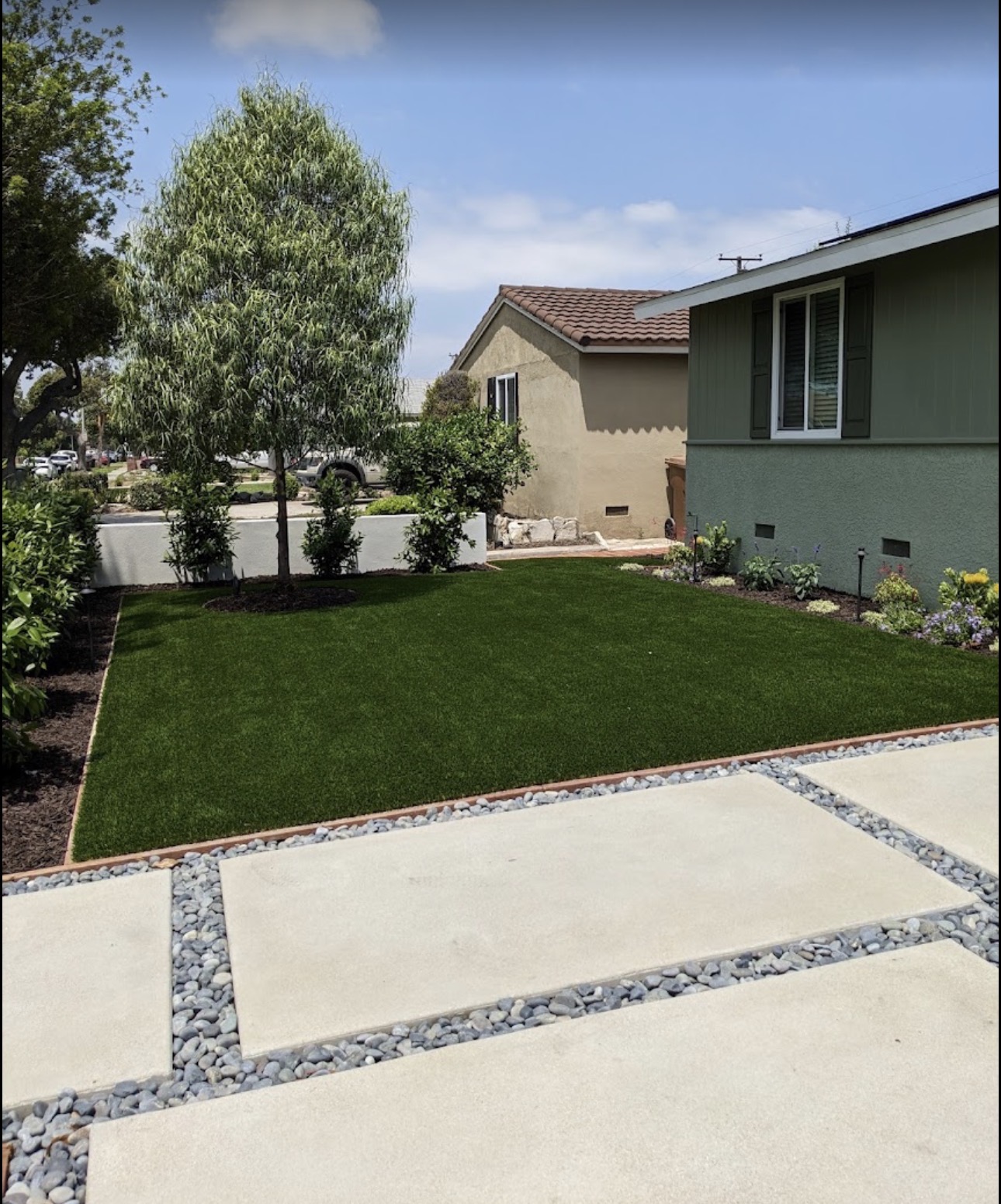
Spring: Waking the Lawn Back Up
As temperatures begin to rise and daylight increases, your lawn may start growing more actively. Spring is a good time to clean up what winter left behind, remove unwanted growth, check irrigation coverage, and get back into a consistent mowing routine.
Take a walk around the property and look for thin areas, weeds, damaged irrigation components, or places that aren't receiving even coverage. Catching these issues early can make it easier to keep the landscape looking healthy as you head toward the warmer months.
Summer: Managing Heat and Water Stress
Summer can put some of the greatest stress on a lawn. Warmer temperatures and drier conditions make proper watering especially important, but more water isn't always better. Watch the lawn itself for signs of stress and make sure irrigation is reaching the areas it's supposed to without excessive runoff or overspray.
Consistent maintenance matters during this period. Avoid removing too much grass at once when mowing, keep an eye out for dry or discolored areas, and periodically check sprinklers for clogged, broken, or misaligned heads. A small irrigation problem can become much more noticeable during hot weather.
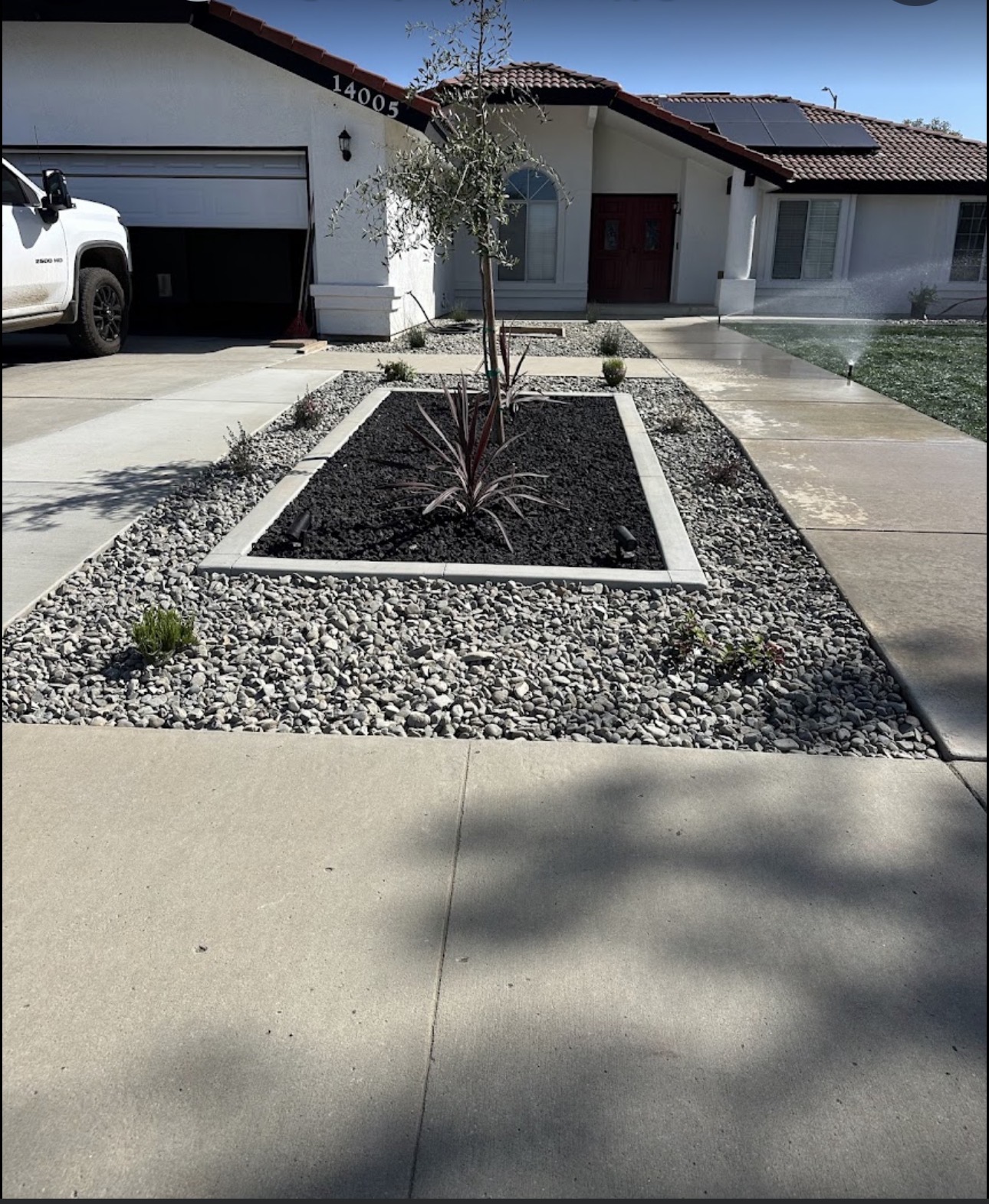
Fall: Resetting for the Season Ahead
Fall is a natural time to assess how your landscape handled the warmer months. As temperatures begin to ease, walk the property and look for areas that need cleanup, trimming, irrigation adjustments, or other attention before winter.
Clearing accumulated debris and staying on top of routine maintenance can help keep the property looking cared for as growth begins to slow. It's also a good time to identify recurring problem areas and decide what improvements may be worth addressing before the next growing season.
Year-Round Habits Worth Keeping
The healthiest-looking landscapes usually come down to consistency. Regular mowing when needed, appropriate watering, clean edges, weed management, seasonal cleanup, and periodic irrigation checks can prevent small issues from becoming bigger ones.
Most importantly, pay attention to the property rather than relying on the exact same routine throughout the year. Every lawn is different, and weather, sun exposure, soil conditions, grass type, and irrigation can all influence what it needs. When something doesn't look right, addressing it early is usually easier than waiting for the problem to spread.