.jpeg)
Start With Your Property, Not the Plant
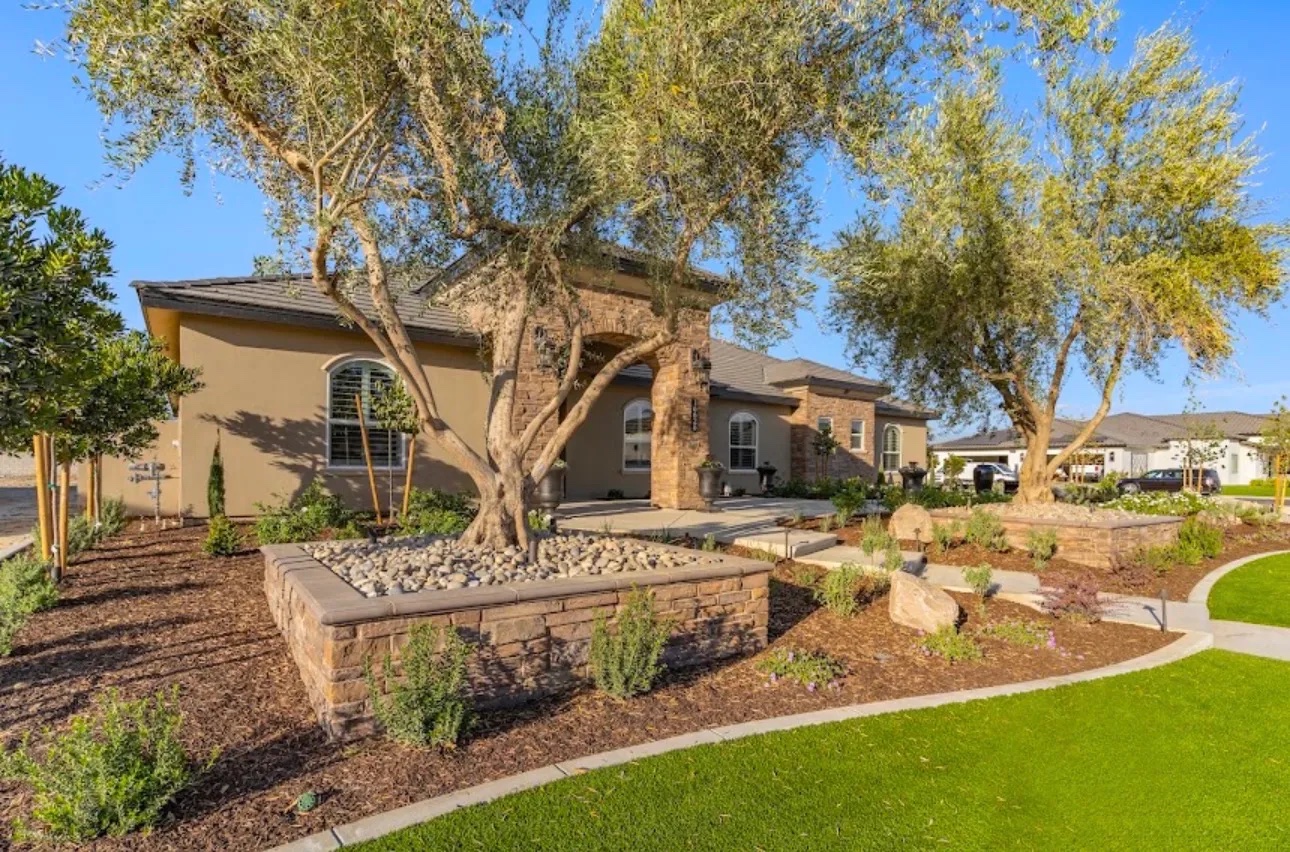
It's easy to choose plants based on how they look at the nursery, but a successful landscape starts with understanding where those plants are going. Before making selections, look at how sunlight moves across the property, where water naturally collects or drains, and which areas tend to stay warmer, cooler, wetter, or drier.
Different parts of the same yard can have very different conditions. A plant that thrives along a sunny walkway may struggle in a shaded corner near the house. Designing around the property first helps you choose plants that have a better chance of performing well in their intended location.
Choose Plants for Sun and Site Conditions
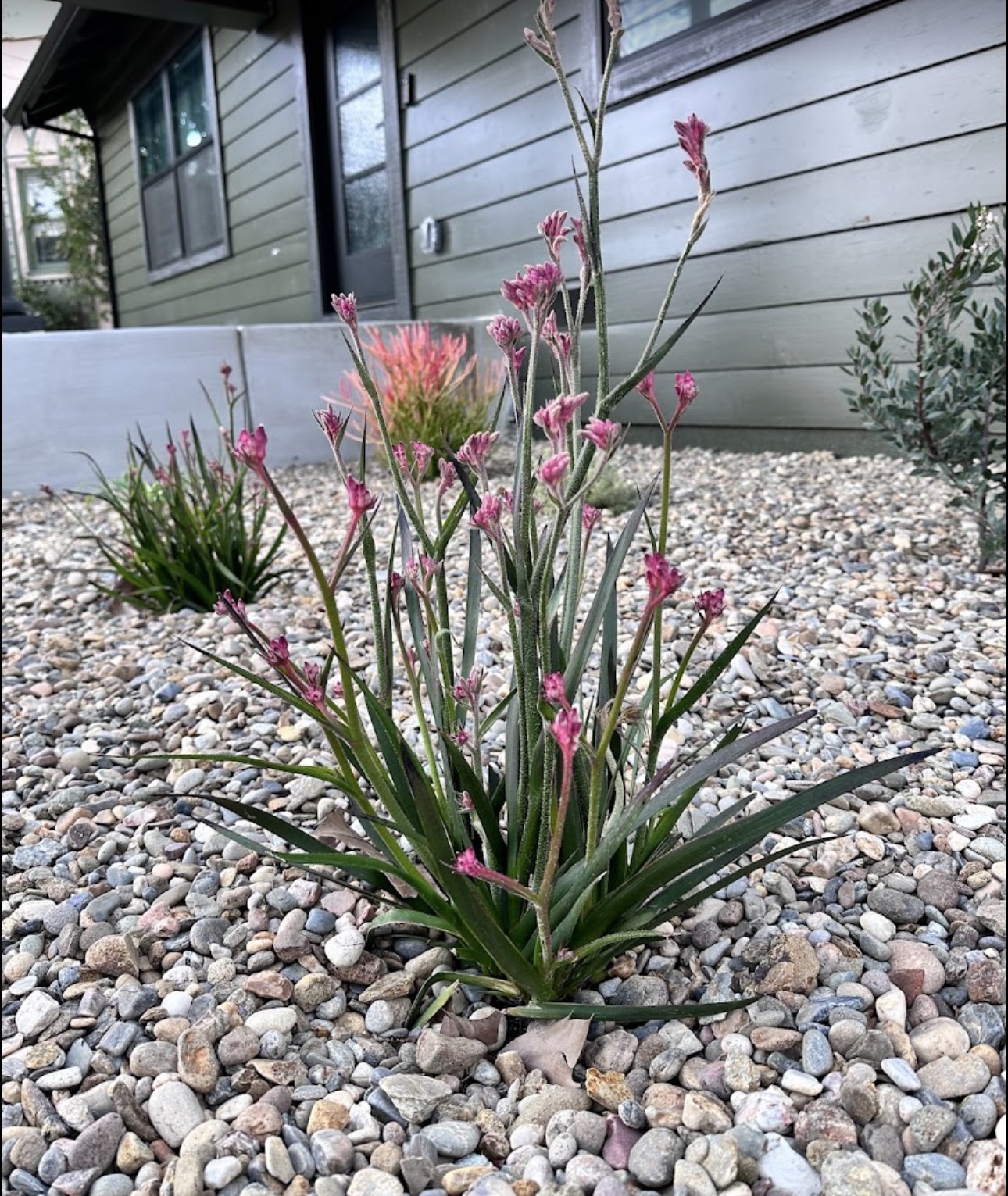
Once you understand the property, look for plants suited to the amount of sunlight, space, and water available in each area. Drought tolerance is important, but it isn't the only consideration. Mature plant size, soil conditions, drainage, exposure, and maintenance needs all matter.
Grouping plants with similar needs can also make the landscape easier to manage. Instead of treating every plant individually, thoughtful groupings can create planting areas that work together visually while making irrigation and ongoing care more practical.
Build With Color, Texture & Variety
A low-water landscape doesn't have to look sparse. Combining different foliage colors, plant shapes, heights, flowering periods, grasses, shrubs, and groundcovers can create depth and visual interest throughout the yard.
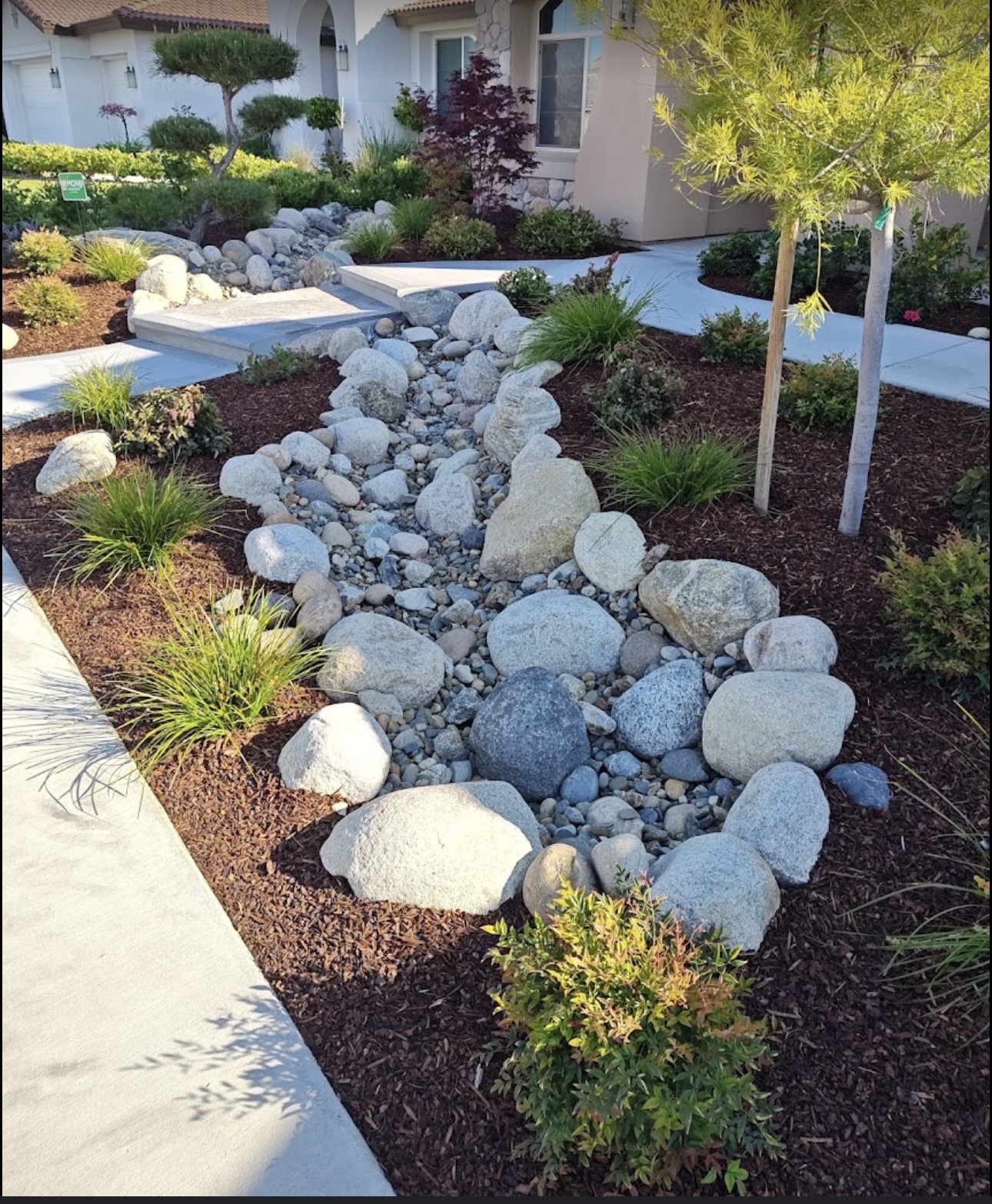
Hardscape and natural materials can add another layer. Rock, gravel, mulch, pathways, and decorative stone can help define planting areas and create contrast between plants. The goal isn't simply to use less water—it's to create a landscape that looks intentional and complements the home.
Think About Watering From the Beginning
Plant selection and irrigation should be considered together. Even drought-tolerant plants generally need appropriate watering while becoming established, and different areas of a landscape may have different needs.
Planning irrigation around planting zones can help deliver water where it's needed rather than treating the entire yard the same way. It's also worth periodically checking the system for leaks, damaged components, overspray, or areas receiving uneven coverage.
The goal is efficient watering—not simply eliminating water altogether.
Plan for How the Landscape Will Grow
New landscapes can look surprisingly open when they're first installed. That's normal. Plants need room to reach their mature size, and planting everything too closely together can create crowding and additional maintenance later.
Think about how the landscape may look a year or several years from now, not only on installation day. Leaving appropriate room for growth can help individual plants develop naturally while preserving pathways, sightlines, and the overall design.
A thoughtful landscape is one that gets better as it matures.